Building the virtual molecular layer for tissue biology.
Aurora predicts spatial gene expression from routine H&E images, helping researchers explore molecular patterns across samples, cohorts and disease.
Virtual spatial transcriptomics from H&E. Built for the hard questions in biology.
- ETH Zurich
- University of Zurich
- University of Basel
Working on biomarkers, targets or therapeutic response? Explore commercial access
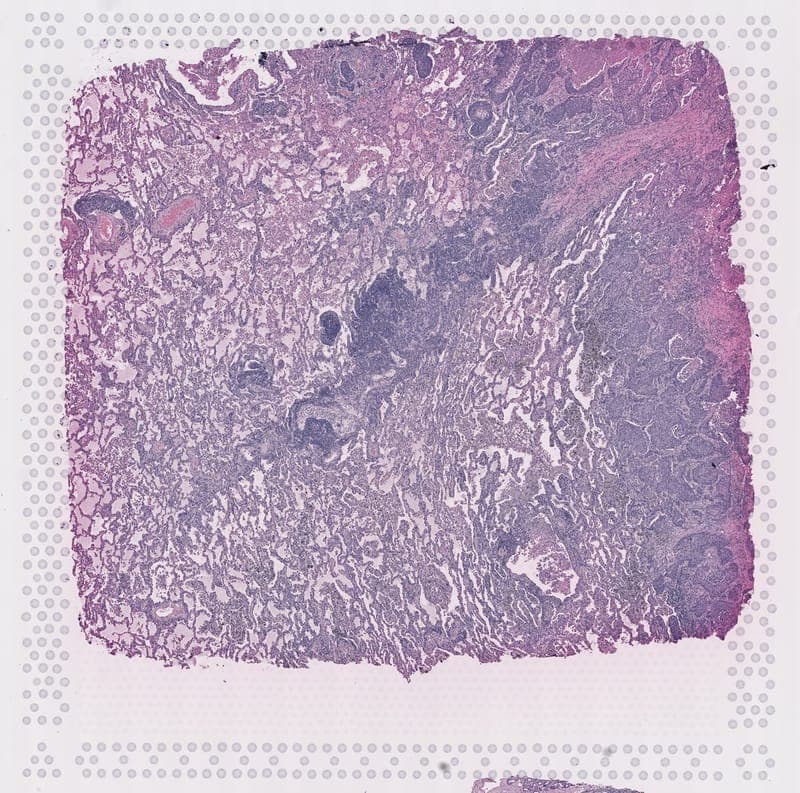
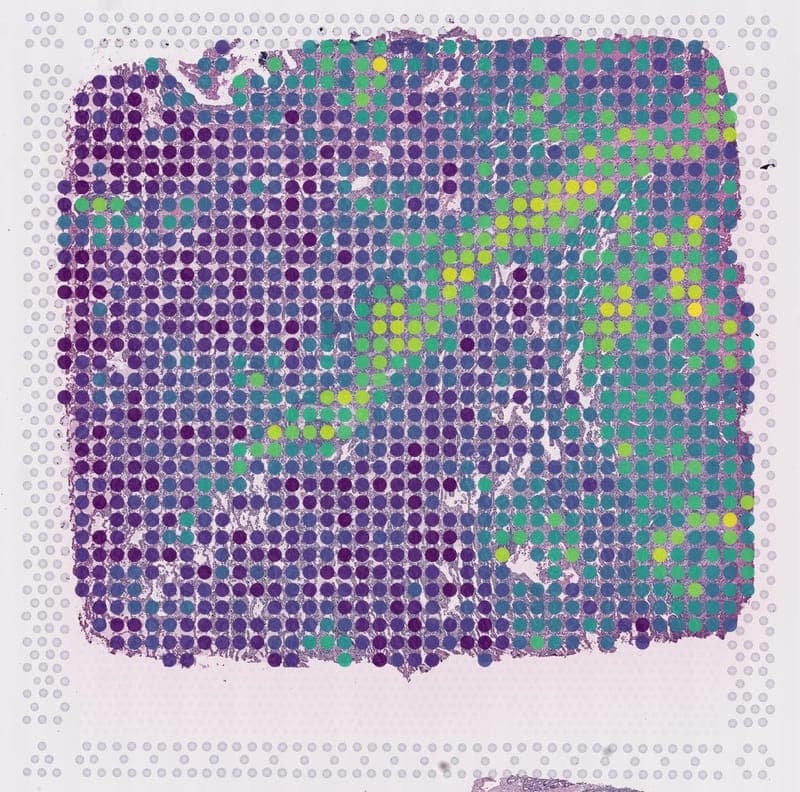
Histology is everywhere. Molecular profiling isn't.
Decades of research have created tissue images at enormous scale. Aurora is building a way to explore them molecularly, without a new molecular experiment for every sample.
The questions Aurora is built for.
Why does the same disease behave differently across patients?
Which molecular patterns define a meaningful subgroup?
Where should we look for the next biomarker, target or mechanism?
Why do some patients respond while others do not?
Aurora brings a virtual molecular view to tissue at cohort scale, helping researchers investigate heterogeneity, disease mechanisms, biomarkers, targets and therapeutic response.
Better therapies begin with better biology.
Before a therapy can be developed, the biology has to be understood. The right subgroup has to emerge. A mechanism has to become worth pursuing. A biomarker or target has to survive deeper investigation. Aurora is being built to help researchers find more of those starting points.
The virtual molecular layer starts with scale.
Scale matters because many of biology's hardest questions only emerge across patients, samples and cohorts.
- tissue slides
- 28,000+
- predicted spatial spots
- 295M+
- cancer types
- 32+
- genes and RNAs
- 19,338+
Built to work where research already lives.
Use Aurora through Swiss-hosted infrastructure, or keep original images within your own environment through our secure API approach.
- Swiss-based processing
- Encrypted transfer
- Local-image options
The tissue is already here. A new layer of biology is within reach.
Aurora is opening a richer virtual molecular view of existing tissue, so the samples collected yesterday can help answer the questions that matter tomorrow.
Working on biomarkers, targets or therapeutic response? Explore commercial access